
Comparison of Polymer and Porcelain Insulators
Electrical insulators protect power systems by separating energized conductors from grounded structures and from each other. Polymer and porcelain are two widely used insulator materials, but they behave differently under mechanical load, contamination, weather exposure, handling, and long-term maintenance. This comparison explains where each option fits best so engineers, buyers, and maintenance teams can make a practical choice without relying on a one-size-fits-all answer.
Which insulator is the better fit for your application?
The best choice depends on the operating environment, installation conditions, maintenance approach, and expected service life. In general, porcelain is often preferred when proven rigidity, compressive strength, and long historical use are priorities. Polymer insulators are often chosen where lower weight, easier handling, and strong pollution performance are important.
Use this quick decision guide as a starting point:
- Choose polymer insulators when the project involves difficult access, long spans, weight-sensitive structures, or contaminated environments where hydrophobic surfaces can reduce leakage current.
- Choose porcelain insulators when the system needs a rigid, time-tested material with strong resistance to ultraviolet exposure, heat, and surface aging.
- Compare both carefully when the installation involves high mechanical stress, coastal contamination, industrial pollution, vandalism risk, or strict lifecycle maintenance requirements.
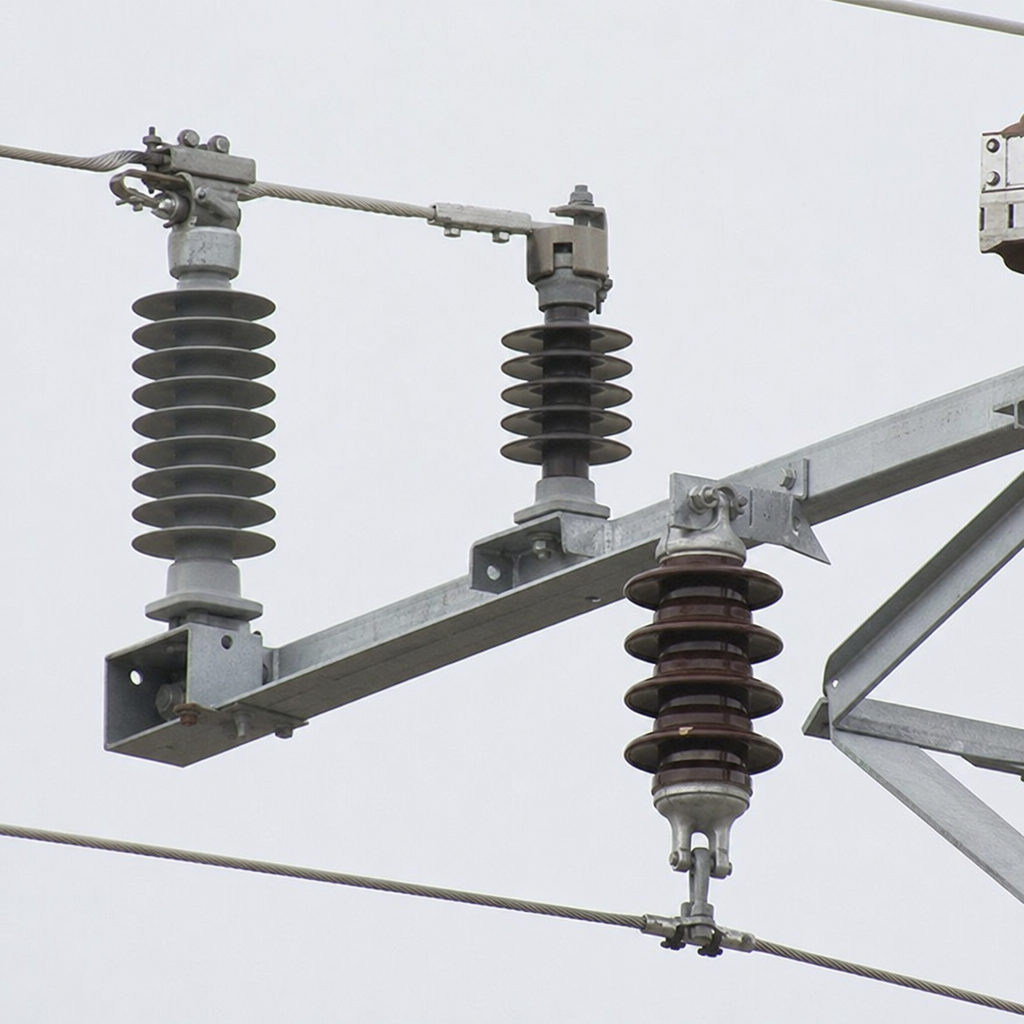
Core material differences
Polymer and porcelain insulators are both electrical insulation types, but they are built from very different materials. A porcelain insulator is made from ceramic material that is fired at high temperature, creating a hard, dense, non-organic body. A polymer insulator typically uses a fiberglass core for mechanical strength and a polymer housing, commonly silicone rubber or a similar material, for external insulation and weather protection.
The practical difference is simple: porcelain behaves like a rigid ceramic, while polymer behaves like a lightweight composite. That affects transportation, installation, impact resistance, contamination performance, and inspection methods.
Key comparison points:
- Weight: Polymer units are usually lighter, which can simplify lifting, storage, and installation.
- Rigidity: Porcelain is hard and dimensionally stable, but it can chip, crack, or break under severe impact.
- Surface behavior: Polymer housings can offer hydrophobic performance, helping water form droplets rather than continuous conductive films.
- Aging mode: Porcelain may show cracks, glaze damage, or mechanical breakage, while polymer may require inspection for housing erosion, tracking, cracking, or seal issues.
Porcelain insulator advantages
The main porcelain insulator advantages come from its ceramic composition and long record in electrical networks. Porcelain is non-organic, hard, and highly resistant to heat and ultraviolet exposure. It does not rely on a polymeric surface layer for weathering resistance, which gives many asset owners confidence in stable long-term performance when the unit is correctly designed and installed.
Porcelain is also easy to understand during inspection. Visible chips, cracks, punctures, glaze damage, or contamination deposits can often be identified during routine line or substation checks. This does not mean porcelain is maintenance-free, but its failure signs are familiar to many utility teams.
Porcelain may be the stronger choice when the project values:
- A long-established track record in transmission, distribution, and substation use.
- Strong resistance to heat, sunlight, and general surface aging.
- Rigid mechanical behavior in applications where stiffness is useful.
- Familiar inspection practices for crews already trained on ceramic insulator types.
Its main drawbacks are weight and brittleness. Heavy porcelain strings or posts can be harder to transport and install, and ceramic damage during handling can reduce reliability if not detected before energization.
Polymer insulator advantages
Polymer insulators are valued because they reduce many practical installation challenges. Their lighter weight can lower handling difficulty, especially on remote lines, towers with limited access, or retrofit projects where structure loading matters. This can make a polymer insulator vs porcelain insulator decision especially important for projects where labor, access, and outage windows are major constraints.
The outer housing of many polymer designs also performs well in polluted or wet conditions because hydrophobic surfaces can limit continuous water films. That can help reduce leakage current and flashover risk in suitable applications. Polymer designs may also be less prone to shattering than porcelain during transport or impact, although the housing and end fittings still need careful inspection.
Polymer may be the stronger choice when the project values:
- Lower installed weight and easier handling.
- Good performance in contaminated, coastal, or industrial environments.
- Reduced breakage risk during transportation and installation.
- Flexible design options for compact lines and retrofit work.
The tradeoff is that polymer condition assessment can be more specialized. Teams should watch for erosion, tracking, loss of hydrophobicity, cracks, exposed core material, and seal degradation near fittings.
Which option is easier to maintain?
Porcelain is often easier to evaluate visually because defects such as cracking, glazing damage, or broken sheds are usually straightforward to recognize. Cleaning practices are also well established, particularly where pollution builds up on the insulator surface. However, porcelain’s heavier weight can make replacement more labor-intensive.
Polymer insulators may reduce cleaning needs in some polluted environments, but they require attention to different aging signs. A surface that looks acceptable from a distance may still need closer evaluation if there is tracking, chalking, cuts, erosion, or damage around hardware interfaces. Maintenance teams should choose inspection criteria based on the actual material, not simply treat all electrical insulators the same.
For maintenance planning:
- Porcelain: prioritize contamination buildup, cracks, chips, broken sheds, and hardware condition.
- Polymer: prioritize housing damage, tracking, erosion, hydrophobicity changes, exposed core, and end-fitting seals.
- Both: review mechanical loading, electrical stress, environment, installation quality, and manufacturer guidance.
Which performs better in harsh environments?
There is no universal winner. In polluted or coastal areas, polymer insulators can be attractive because hydrophobic housings may resist the formation of conductive wet films. This can be valuable where salt, dust, industrial deposits, or frequent moisture increase surface leakage risk.
Porcelain remains strong in harsh sunlight, heat, and long-term outdoor exposure because ceramic material is inherently stable. In areas where impact, vandalism, or mechanical shock is a concern, the choice becomes more nuanced: porcelain is hard but brittle, while polymer is lighter and less likely to shatter but can suffer housing cuts or surface damage.
A practical porcelain insulator vs polymer decision should consider:
- Local pollution severity and cleaning frequency.
- Mechanical loads from wind, ice, conductor tension, and switching forces.
- Handling conditions during transport and installation.
- Inspection skills and tools available to maintenance crews.
- Expected replacement strategy and lifecycle cost, not just purchase cost.
Final recommendation
For many modern projects, polymer insulators are compelling where low weight, easier installation, and pollution performance are decisive. For applications that prioritize ceramic stability, rigid construction, and familiar long-term inspection, porcelain remains a reliable and widely used option.
The best decision is not simply polymer insulator vs porcelain insulator; it is matching the right insulator materials to the environment, structure, voltage class, maintenance plan, and risk profile. If the application is routine and crews are experienced with ceramic equipment, porcelain may be the conservative choice. If access is difficult, contamination is high, or structure weight matters, polymer may offer the more practical solution.