Composite Insulator Manufacturer — High Voltage Polymer Solutions
Lightweight, high-strength silicone rubber composite insulators fortransmission lines, distribution networks, substations and railway electrification.Designed around your voltage class, mechanical load, creepage distanceand fitting requirements.
For high-voltage and extra-high-voltage transmission lines where high tensile strength, long creepage distance and lightweight construction are required.
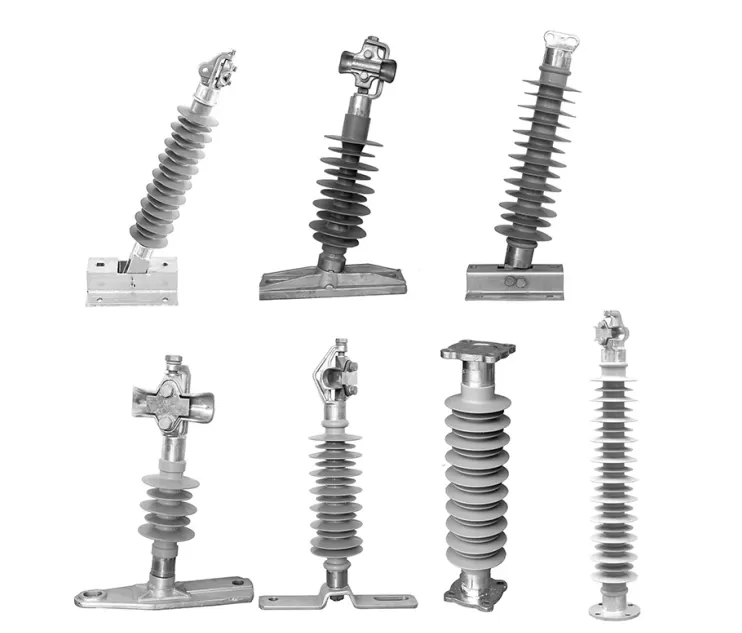
Designed for distribution and transmission structures requiring rigid conductor support,mechanical strength and contamination-resistant insulation.
Distribution networks Sub-transmission lines Pole-mounted applications
Composite Station Post Insulators
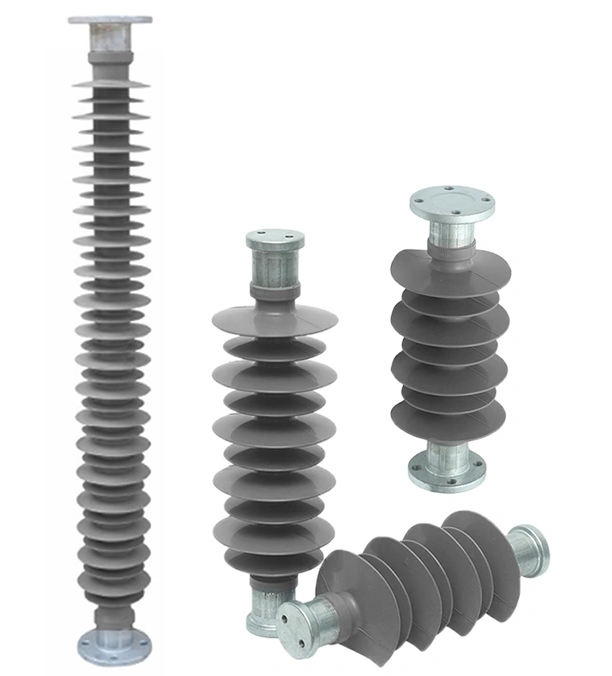
For substations, switchyards and high-voltage equipment where electrical insulation and mechanical support must work together.
Busbar support Disconnectors Switchgear
Railway Composite Insulators
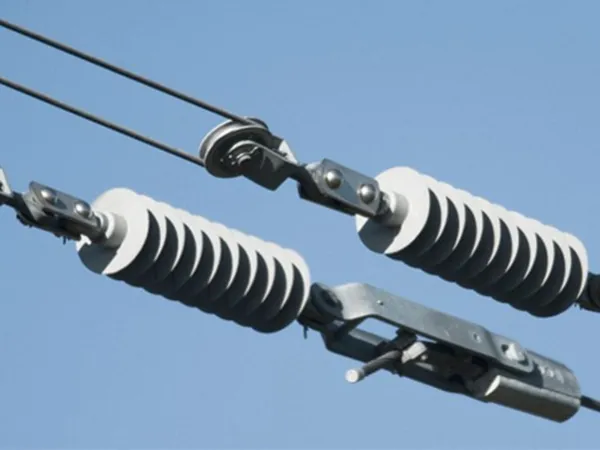
Composite insulation solutions for railwaytraction and overhead catenary systems.
Railway electrification OHE systems Catenary structures
How to Choose the Right Composite Insulator The correct insulator depends on more than voltage.
Voltage 11kV-1000kV
Mechanical Load SML
Creepage Distance Pollution level
Insulator Type Long rod / Line post/ Station post / Railway
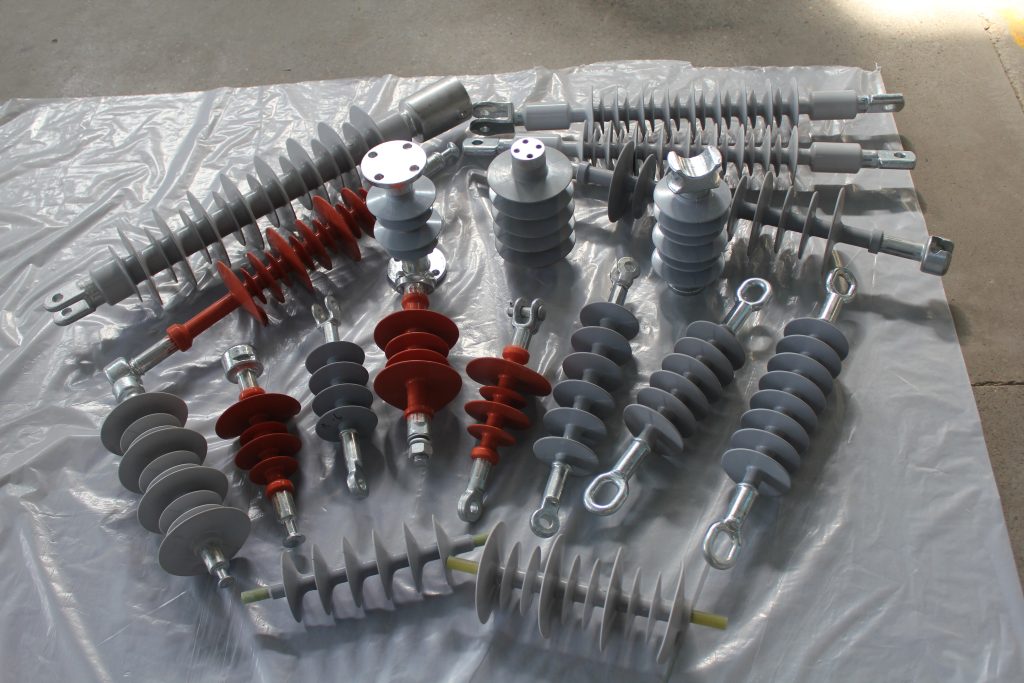
End fitting Ball-socket/Tongue-clevis/Eye/Flange/Custom
Installation Suspension/Tension/p Post-mounted
Environment Coastal/Industrial/Desert
Standard IEC/ANSI/Project specification
Applications Across Power Systems
From 11kV distribution networks to 1000kV EHV transmission, CECI composite insulators power critical infrastructure worldwide.
Transmission & Distribution
High-voltage and extra-high-voltage transmission lines, sub-transmission networks, and distribution feeders. Our long rod and line post insulators are the backbone of modern grid infrastructure.
Railway Electrification
Overhead catenary systems (OHE), section insulators, neutral sections, and signal insulators for conventional and high-speed rail. Compliant with EN 50151 and IEC 60815.
Substation & Switchgear
Busbar supports, disconnector insulators, CT/PT supports, and surge arrester housings. Compact, lightweight, and non-shattering — ideal for substation safety and space-constrained designs.
Why choose composite
Lighter, cleaner, tougher — polymer beats porcelain where it matters
Composite insulators replace a 20–30 kg porcelain or glass string with a single 5–8 kg polymer rod — reducing tower load, transport cost and live-line installation time. The silicone rubber housing is hydrophobic, so salt-fog, cement-dust and industrial pollution do not form the continuous wet film that causes flashover on porcelain.
25+ year field service life in polluted environments 1/3 the weight of equivalent porcelain or glass strings IEC 61109 type-tested, GB/T 19519 equivalent Customization: any end fitting per IEC 60120 / drawing
Composite vs. Glass vs. Porcelain — Material Properties
Property
Composite
Glass
Porcelain
Material
Composite
Glass
Porcelain
Mechanical failing load
70–530 kN
40–530 kN
70–400 kN
Hydrophobicity
HC1–HC2
None
None
Pollution performance
Heavy → Very heavy
Light → Medium
Medium → Heavy
Vandalism resistance
High
Low
Medium
Visible failure
Indirect (erosion / hydrophobicity test)
Yes (shattered)
No
DC performance
Excellent (DC-rated)
Acceptable
Acceptable
Frequently Asked Questions
Find answers to commonly asked questions about our products and services.
What is a composite insulator?
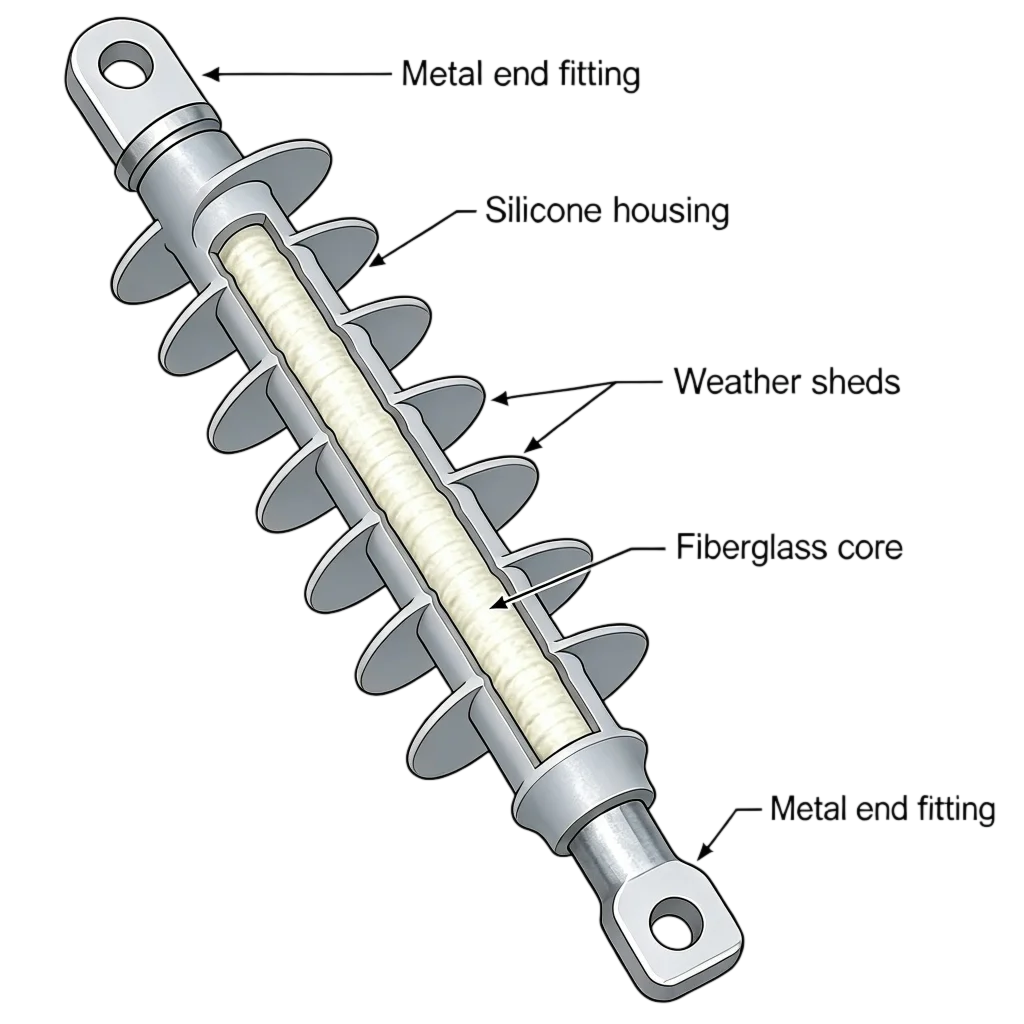
A composite insulator is an electrical insulation system typically consisting of a fiberglass-reinforced polymer core, polymeric housing and metal end fittings.
What is the difference between a composite insulator and a polymer insulator?
A composite insulator is a broader category that includes any insulator made from multiple materials (FRP core + polymer housing). A polymer insulator specifically refers to those using silicone rubber or EPDM housing. In practice, the terms are used interchangeably in the power industry, but ‘composite insulator’ is the more precise technical term per IEC 61109.
What voltage ratings are available?
The page design presents long rod, line post, station post and railway configurations across medium-, high- and extra-high-voltage applications. Publish only confirmed factory ranges and model-specific ratings.
Can the end fittings be customized?
Yes. Ball-socket, tongue-clevis, eye, flange and other configurations can be developed according to project drawings and interface requirements.