
Glass Insulators & Ceramic (Porcelain) Insulators Manufacturers
We manufactures a wide range of glass and ceramic insulators—disc, pin, post and hollow-core types—rated from distribution to extra-high voltage. We offer custom mechanical ratings, surface treatment options and full factory testing to ensure stable long-term operation and the lowest lifecycle cost.
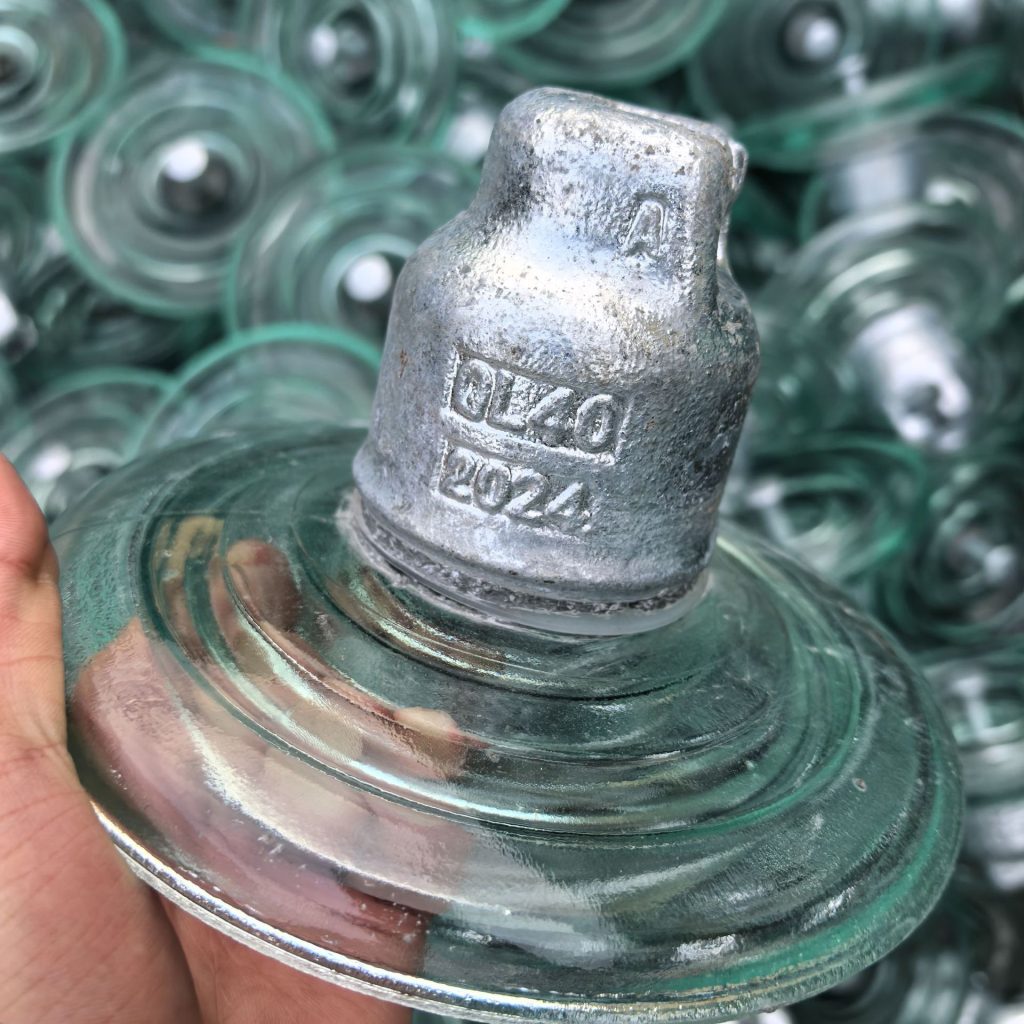
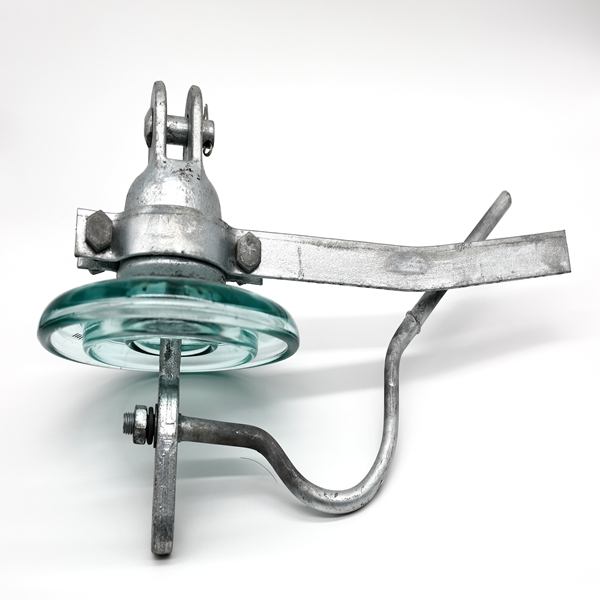
Tempered glass disc insulators offer smooth surfaces, high mechanical strength and excellent resistance to aging. Typical applications include disc strings for overhead transmission and suspension connectors.
- High dielectric strength and low moisture absorption
- Easy visual and acoustic detection of damage (cracks are visible/identifiable)
- Strong resistance to surface aging and pollution when properly specified
- Compatible with standard suspension and pin fittings; available in custom diameters and coatings
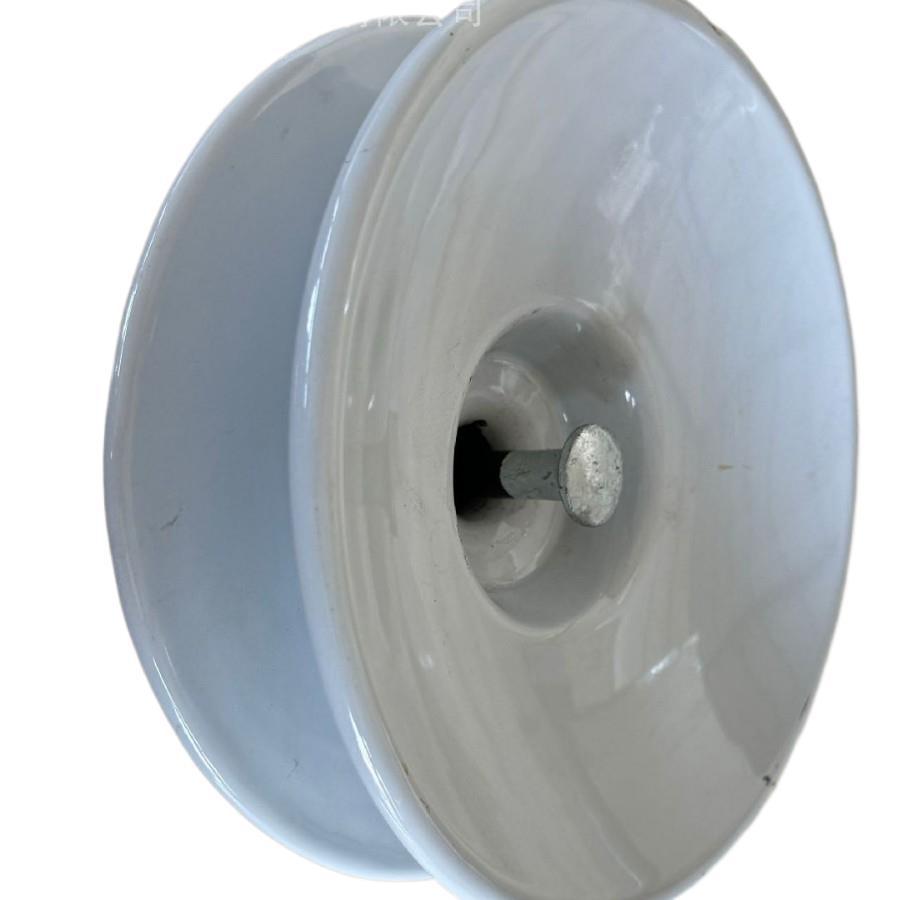
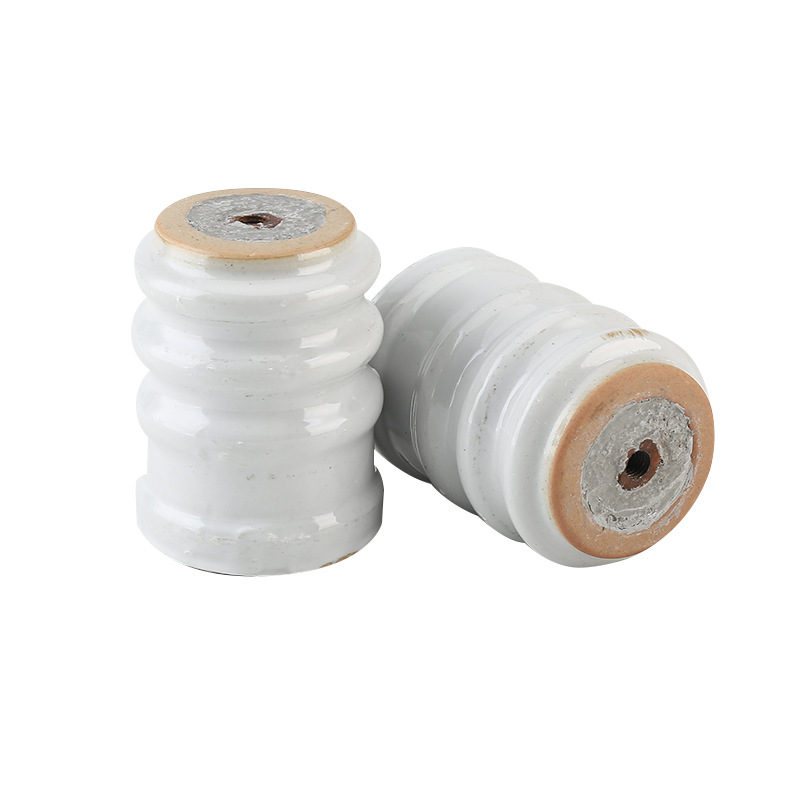
Porcelain (ceramic) insulators are made from high-strength electrical ceramics, typically finished with a glaze to improve surface performance. They are widely used in pin, post and disc configurations across medium to extra-high voltages.
- Excellent thermal stability and resistance to thermal shock
- High compressive and bending strength — ideal for post and structural applications
- Glazed surfaces increase pollution performance and extend service life
- Available in custom formulations and large diameters for extra-high voltage systems
Glass Disc Insulators
| Model | Mechanical SML | Diameter | Spacing | Creepage | Weight | Typical Voltage |
|---|---|---|---|---|---|---|
| U40B | 40 kN | 175 mm | 110 mm | ≥ 190 mm | 2.4 kg | 10 – 35 kV |
| U70B | 70 kN | 255 mm | 146 mm | ≥ 320 mm | 4.0 kg | 35 – 110 kV |
| U120B | 120 kN | 280 mm | 170 mm | ≥ 380 mm | 5.6 kg | 110 – 220 kV |
| U160B | 160 kN | 320 mm | 170 mm | ≥ 380 mm | 6.5 kg | 220 – 400 kV |
| U210B | 210 kN | 320 mm | 170 mm | ≥ 400 mm | 7.0 kg | 400 kV |
| U300B | 300 kN | 340 mm | 195 mm | ≥ 440 mm | 9.0 kg | 500 – 765 kV |
Glass vs. Ceramic — Quick Comparison
| Feature | Glass Insulator | Ceramic (Porcelain) Insulator |
|---|---|---|
| Self-cleaning | Excellent — smooth hydrophilic surface | Good — depends on glaze quality |
| Damage detection | Visible from the ground (cap sheds) | Difficult — internal cracks invisible |
| Mechanical impact resistance | Excellent toughness after tempering | High compressive strength |
| Thermal / shock resistance | Moderate | Very good |
| Weight | Lighter | Heavier |
| Cost | Competitive | Competitive to higher (depending on glaze/porcelain grade) |
| Recyclability | Good (glass recyclable) | Limited |
| Typical applications | Long suspension strings, overhead transmission | Posts, bushings, substations, high pollution sites |
| Property | Toughened glass | Porcelain | Composite |
|---|---|---|---|
| Weight (per 220 kV unit) | ~22 kg | ~24 kg | ~7 kg |
| Visible fault detection | Yes (self-exploding) | No (live-line test) | No (visual inspection) |
| Very cold (< −40 °C) | Brittle | Excellent | Good |
| Coastal pollution | Good (with grease) | Good (with RTV coating) | Excellent |
| DC lines (HVDC) | Limited | Good | Excellent |
| Vandal resistance | Poor (shatters) | Poor (shatters) | Excellent (flexes) |
Buy Glass & Ceramic (Porcelain) Insulators —
OEM Supply & Global Export
As an OEM porcelain and glass disc insulator supplier, we provide direct factory pricing,
custom engineering, and a 30-year track record of IEC 60383 & ANSI C29.1 compliance.
Free samples, FOB quotes, and 24-hour RFQ turnaround.
Toughened Glass Disc Insulators
Ball-and-socket U-class (U40B / U70B / U160B / U210B / U300B). Smooth hydrophobic surface. Visible-failure design: any internal fracture shatters the disc, allowing line crews to detect faults from the ground.
Station Post & Hollow Insulators
Solid-core station posts (IEC 60862, ANSI C29.9) and hollow bushings (IEC 60840, ANSI C29.12) for transformer / breaker / wall-bushing. Cantilever strength 4–12 kN, voltage 35kV–800kV.
Porcelain (Ceramic) Disc Insulators
C-130 aluminous porcelain, malenite-glazed. Cap-and-pin type for 35kV–765kV. High dielectric strength and excellent thermal stability. Ideal for substation posts, long-rod strings, and DC converter stations.