
Glass insulators have been part of electrical infrastructure for generations, but their role is far from old-fashioned. Across utilities, manufacturing sites, rail systems, renewable energy projects, and heavy industrial environments, electrical glass insulators continue to provide dependable separation between energized conductors and supporting structures. This article explores practical glass insulator uses, where they fit best, and how modern industry is applying them as part of safer, more durable insulation solutions.
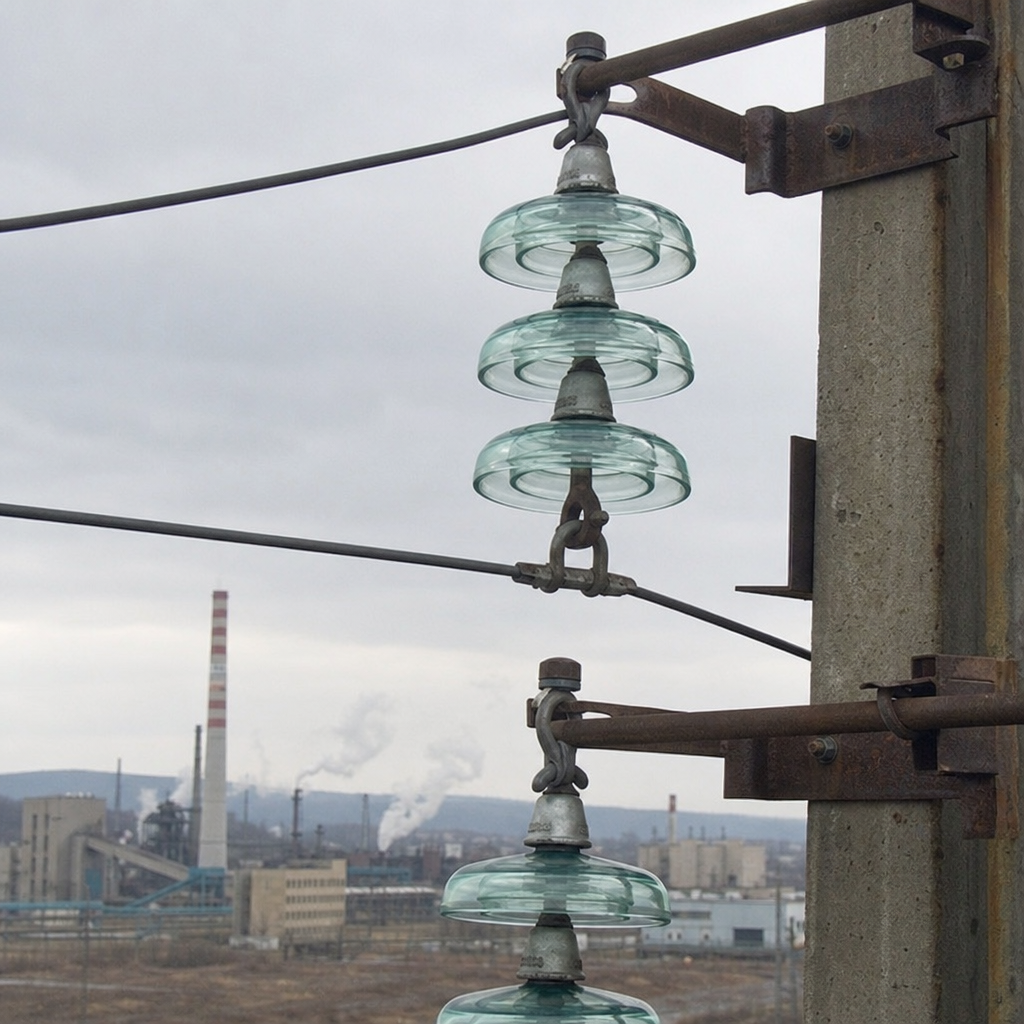
What makes glass insulators useful in modern industry?
Glass insulators are useful because they combine strong dielectric performance with visual inspectability, environmental durability, and long service potential when properly selected and installed. In industrial settings, that means they help prevent unwanted current leakage, support electrical conductors, and maintain safe separation in systems exposed to weather, pollution, mechanical load, and vibration.
The basic application of glass insulator technology is straightforward: keep electricity where it belongs. A conductor may carry high voltage, but it still needs to be mounted, tensioned, routed, or supported. The insulator creates a barrier between that conductor and the pole, tower, bracket, frame, or structure holding it in place.
What makes glass especially practical is that damage is often easier to spot than with some opaque materials. If a glass disc has cracked, punctured, or shattered, inspection teams can usually identify the problem visually. That matters in industries where maintenance windows are short, access is difficult, and a missed defect can lead to downtime or safety concerns.
Glass insulators as core electrical protection
At their simplest, electrical insulators protect people, equipment, and infrastructure by resisting the flow of current. In real-world industrial environments, that job becomes more demanding. Insulators may face rain, dust, salt, chemical residue, temperature changes, wind, wildlife contact, mechanical strain, and electrical stress all at once.
Electrical glass insulators are commonly used in overhead line systems because they provide both insulation and mechanical support. They help suspend or anchor conductors while preventing current from passing into grounded structures. In power distribution and transmission, this function is essential to system reliability.
Industrial users value glass because it is non-porous, does not absorb moisture in the way some materials can, and maintains stable insulating properties when matched to the right environment. This does not mean glass is the right choice for every installation, but it remains highly relevant where visibility, weather resistance, and predictable performance are important.
Common glass insulator types and where they fit
Different glass insulator types are designed for different electrical and mechanical roles. Choosing the right style is not just a purchasing decision; it affects safety, maintenance, line performance, and long-term operating cost.
Common types include:
- Pin-type glass insulators: Often used on lower-voltage overhead distribution lines, these are mounted on a pin attached to a crossarm or support. They hold the conductor in place and are familiar in utility and industrial distribution settings.
- Suspension glass insulators: Built as discs that can be linked into strings, these are used where higher voltage levels or longer spans require multiple insulating units. Adding more discs increases the insulation path for more demanding applications.
- Strain glass insulators: Designed for locations where conductors are under significant tension, such as dead-end structures, corners, and line terminations. Their role is both electrical and mechanical.
- Shackle or spool glass insulators: Used in certain distribution and service applications where conductors need compact support and separation.
- Specialized toughened glass units: These are engineered for demanding outdoor environments and are often selected where mechanical strength and visible failure behavior are valued.
The best choice depends on voltage class, conductor tension, contamination exposure, installation geometry, and maintenance strategy. A site with coastal salt deposits, for example, may require a different insulation profile than an inland plant with relatively clean air. A line exposed to heavy vibration or high mechanical loads may prioritize strength and hardware compatibility.
Power transmission and distribution remain major applications
The most recognized glass insulator uses are still found in electrical power networks. Transmission and distribution lines rely on insulation solutions that can survive years of outdoor exposure while supporting energized conductors safely.
In transmission corridors, strings of suspension glass insulators can be used to support high-voltage conductors from towers. The modular disc design allows engineers to match the number of units to voltage requirements and environmental conditions. In distribution networks, smaller glass designs may support conductors on poles, crossarms, or industrial site infrastructure.
For utility teams and industrial operators, the visibility of glass can simplify line patrols. A damaged unit is often easier to detect from the ground or during routine inspection. That can help maintenance teams identify issues before they become larger failures.
Glass also has a place in older systems that are being maintained, upgraded, or selectively modernized. Instead of replacing every structure at once, operators may evaluate existing insulator strings, replace damaged units, and improve reliability in targeted sections. This makes glass relevant not only in new construction but also in lifecycle management.
How are glass insulators used beyond power lines?
Glass insulators are used beyond power lines in rail electrification, substations, industrial yards, renewable energy interconnections, testing environments, and specialized equipment support. Wherever energized conductors or components need safe separation from grounded or structural elements, the application of glass insulator products may be considered.
Industrial sites often have internal distribution networks that look different from public utility lines. A large facility may include outdoor switchyards, overhead feeders, transformer connections, bus supports, and dedicated power routes between buildings or process areas. In these settings, glass can support conductors while standing up to weather and operational exposure.
Rail and transit systems may also use insulators in overhead contact systems, signaling infrastructure, or related power distribution components, depending on design requirements. Because transportation environments involve vibration, movement, and difficult access, component durability and inspection efficiency are especially important.
Renewable energy projects create another practical use case. Wind and solar facilities often require medium- and high-voltage connections from generating assets to collection systems, substations, and grid interconnection points. Glass insulators may be part of overhead collector lines or related infrastructure where the project design calls for them.
Industrial environments create demanding insulation challenges
Factories, refineries, mines, ports, chemical plants, and heavy manufacturing sites can expose electrical components to conditions that are far harsher than standard utility corridors. Dust, conductive particles, process vapors, salt spray, moisture, and temperature swings can all affect insulation performance.
In these environments, the right insulation solutions must do more than meet a voltage rating. They must also resist surface contamination, allow practical cleaning or inspection, and maintain mechanical integrity under site-specific stress. Glass can be an effective option when its properties align with the exposure profile.
For example, an industrial coastal site may prioritize insulators with suitable creepage distance, profile design, and hardware corrosion resistance. A mining operation may focus on mechanical robustness and inspection access. A chemical facility may evaluate how airborne residues could accumulate on insulator surfaces and whether washing or maintenance procedures are needed.
This is where engineering judgment matters. Glass is not selected in isolation. It is part of a larger system that includes conductor size, hardware, grounding, surge protection, clearances, structural supports, and maintenance planning.
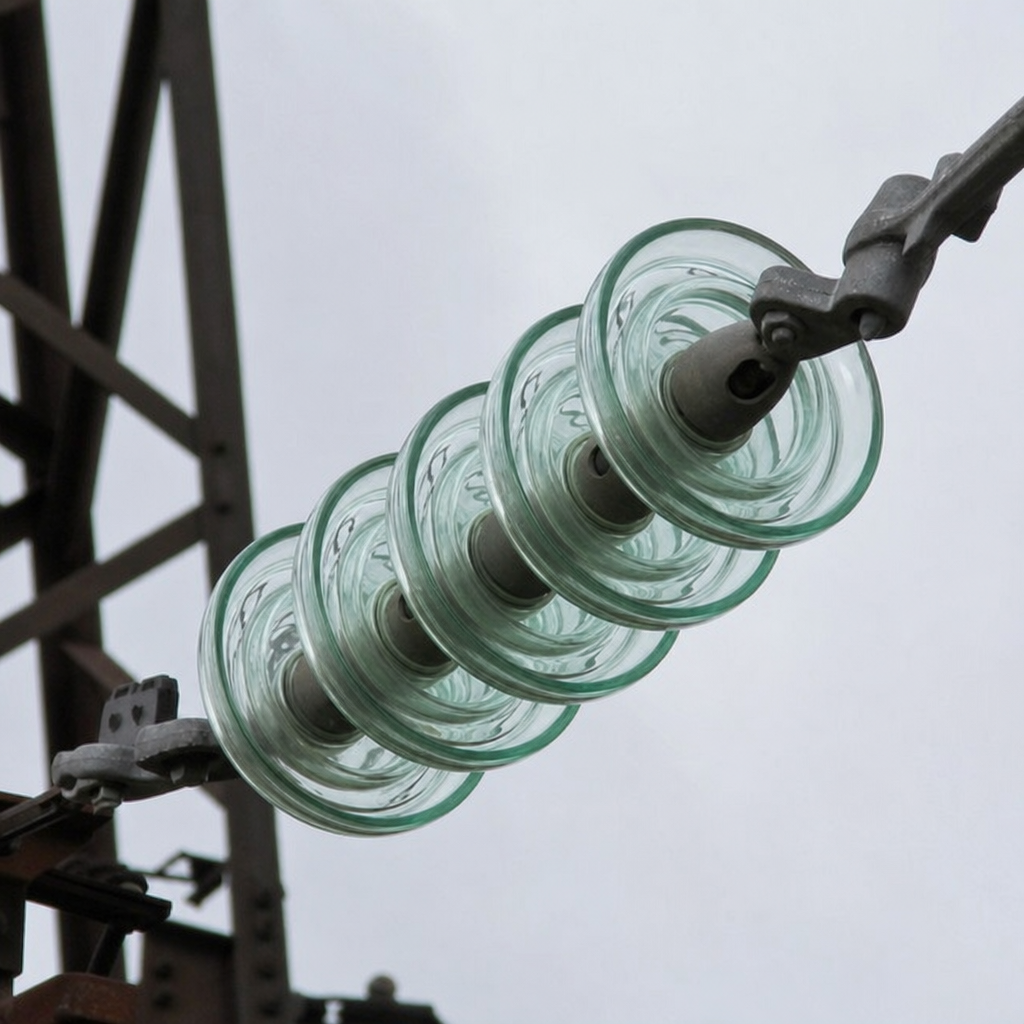
Innovative uses focus on visibility, monitoring, and system resilience
Innovation in glass insulators is not only about changing the material. It is also about using their strengths in smarter ways. Many industrial operators are looking for components that support predictive maintenance, easier inspection, and resilient electrical networks.
One practical advantage is visual condition assessment. Since damaged glass units often show clear physical evidence, they can support faster field decisions. Crews may be able to distinguish a compromised insulator from an intact one during routine patrols, drone inspections, or closer maintenance checks.
Glass insulators can also fit into modern inspection programs that use photography, drones, thermal imaging, and digital maintenance records. The insulator itself may be traditional, but the way teams monitor it is increasingly data-driven. Images can be compared over time, defects can be mapped, and maintenance can be prioritized based on risk.
In industrial resilience planning, this matters. A single failed insulation point can interrupt production, damage equipment, or create safety hazards. Components that are easier to inspect and diagnose can help teams act before problems escalate.
Practical selection factors for industrial projects
Selecting electrical glass insulators should begin with the conditions of the actual site, not a generic product preference. The right unit for a clean inland distribution line may not be suitable for a polluted coastal substation or a high-tension industrial crossing.
Key factors to review include:
- Voltage and insulation level: Confirm the system voltage, required withstand performance, and applicable engineering standards for the installation.
- Mechanical loading: Consider conductor weight, span length, tension, wind loading, ice loading where relevant, and vibration.
- Environmental exposure: Evaluate salt, dust, chemicals, humidity, UV exposure, temperature range, and contamination severity.
- Creepage distance and profile: Match the insulator design to pollution levels and wet-weather performance requirements.
- Hardware compatibility: Check fittings, pins, clamps, crossarms, tower hardware, and corrosion protection.
- Inspection access: Consider whether crews will inspect from the ground, by lift, by climbing, by drone, or during scheduled outages.
- Maintenance procedures: Plan for cleaning, replacement, recordkeeping, and safe isolation before work.
These selection steps help turn glass insulator uses into practical engineering decisions. They also reduce the risk of choosing a component that performs well on paper but struggles in the real environment.
Glass compared with other insulation materials
Industrial insulation solutions may include glass, porcelain, polymer, rubber, composite materials, resins, ceramics, and engineered plastics. Each has advantages, and the right choice depends on the application rather than a single universal ranking.
Glass is often valued for its dielectric properties, resistance to moisture absorption, long outdoor service potential, and visible failure characteristics. Porcelain is also widely used and respected for mechanical strength and proven performance. Polymer and composite insulators can offer lighter weight, hydrophobic surface behavior, and easier handling in some installations.
The trade-off is that glass can be heavier and more brittle than polymer alternatives. Handling, transport, installation, and impact protection should be considered carefully. In areas with vandalism risk, severe mechanical impact, or extreme contamination, project teams may need to compare materials closely before deciding.
A practical approach is to evaluate total lifecycle fit. That includes purchase cost, installation complexity, expected maintenance, inspection efficiency, failure visibility, replacement logistics, and the consequences of downtime. The best insulation choice is the one that performs reliably in the actual operating context.
Design details that improve performance
The performance of an electrical glass insulator depends on more than the glass body itself. Shape, surface path, fittings, spacing, and installation quality all influence how well the unit performs over time.
A few design details deserve special attention:
- Creepage path: The surface distance electricity would have to travel across the insulator. Longer creepage paths can help in polluted or wet environments.
- Shed profile: The shape of the insulator surface can influence how water, dust, and contaminants collect or shed.
- Toughened glass construction: Properly manufactured toughened glass is designed to handle mechanical and thermal stresses within its rated use.
- Metal fittings: End fittings, caps, pins, and hardware must match the electrical and mechanical requirements of the system.
- Spacing and clearances: Even the right insulator can underperform if installed with inadequate electrical clearance.
These details may seem small, but they directly affect reliability. An industrial project should treat insulators as engineered components, not generic accessories.
Maintenance and inspection keep systems dependable
A strong maintenance program helps electrical insulators deliver dependable service. Even durable materials need routine attention, especially in industrial settings where contamination and mechanical stress can accumulate gradually.
Inspection should look for cracked or shattered glass, damaged fittings, corrosion, contamination buildup, tracking marks, loose hardware, and signs of flashover. Crews should also review whether nearby vegetation, structures, or equipment changes have reduced safe clearances.
Useful maintenance practices include:
- Schedule inspections based on environment, criticality, and operating history.
- Use drone or remote imaging where access is difficult or hazardous.
- Clean insulators when contamination creates performance risk.
- Replace visibly damaged or mechanically compromised units promptly.
- Document findings so recurring issues can be traced to locati0n, weather, pollution, or equipment design.
- Coordinate insulator work with outage planning and electrical safety procedures.
Good maintenance does not only prevent failure. It also gives operators better insight into how their electrical infrastructure is aging and where upgrades may be needed.
Sustainability and lifecycle considerations
Industrial buyers increasingly consider lifecycle impact alongside performance. Glass has a useful role in that discussion because it is durable, inorganic, and recyclable in many contexts, though actual recycling options depend on local processes and contamination from fittings or coatings.
Long service life can also support sustainability goals by reducing replacement frequency. A component that lasts longer, requires fewer emergency repairs, and supports efficient inspection can reduce waste and operational disruption. However, lifecycle decisions should also account for transport weight, handling requirements, manufacturing impacts, and end-of-life processing.
The most responsible approach is not simply to choose a material because it sounds sustainable. It is to select an insulator that fits the environment, performs reliably, and can be maintained safely throughout its service life.
Where glass insulators add the most value
Glass insulators are especially valuable where outdoor exposure, visual inspection, and proven electrical separation are priorities. They are well suited to many overhead line, distribution, transmission, and industrial support applications when matched to the correct voltage, load, and environmental conditions.
They can be a smart fit for:
- Utility transmission and distribution lines
- Industrial overhead power routes
- Outdoor switchyards and plant distribution systems
- Renewable energy collection and interconnection infrastructure
- Rail or transit power support applications
- Retrofit programs where existing glass systems are being maintained
- Sites where visual inspection supports maintenance planning
They may be less ideal where impact risk, weight constraints, or specific contamination profiles favor another material. That does not reduce their value; it simply reinforces the need for application-specific selection.
A practical takeaway for industrial teams
Glass insulators remain relevant because they solve a fundamental industrial problem in a dependable, inspectable way. They help separate energized conductors from supporting structures, protect electrical systems from leakage and flashover, and support safer operation across demanding environments.
For project managers, engineers, and maintenance teams, the key is to match the insulator to the application rather than choose by habit. Review the voltage, load, exposure, inspection strategy, and lifecycle plan before selecting a product. When used in the right setting, electrical glass insulators can be a practical part of modern, resilient, and cost-conscious industrial infrastructure.