
The best wholesale polymer insulator supplier is not the one with the lowest quote. It is the one that matches your voltage requirements, quality expectations, order volume, documentation needs, and delivery schedule without creating avoidable risk. This guide explains when to buy directly from a wholesale polymer insulator manufacturer, when a trading supplier or distributor is enough, and which criteria should decide the final choice.
Which supplier model fits your project?
- Direct manufacturer — best for high-volume procurement, custom specifications, OEM and private label, and projects where consistent production batches matter.
- Wholesale trading supplier — best when you need a broad catalog, mixed electrical hardware, or one point of contact across several factories.
- Local distributor — best for urgent replacements, smaller quantities, and regional inventory access.
- Project-based sourcing partner — best when someone must coordinate insulators, fittings, packaging, documents, and shipping for one tender or construction phase.
A direct manufacturer gives you more visibility into production, but it asks for clearer specifications and planned order volumes. A distributor reduces sourcing effort, but has less control over factory processes, lead times, and customization. Start with the complexity of the order, not the purchase price.
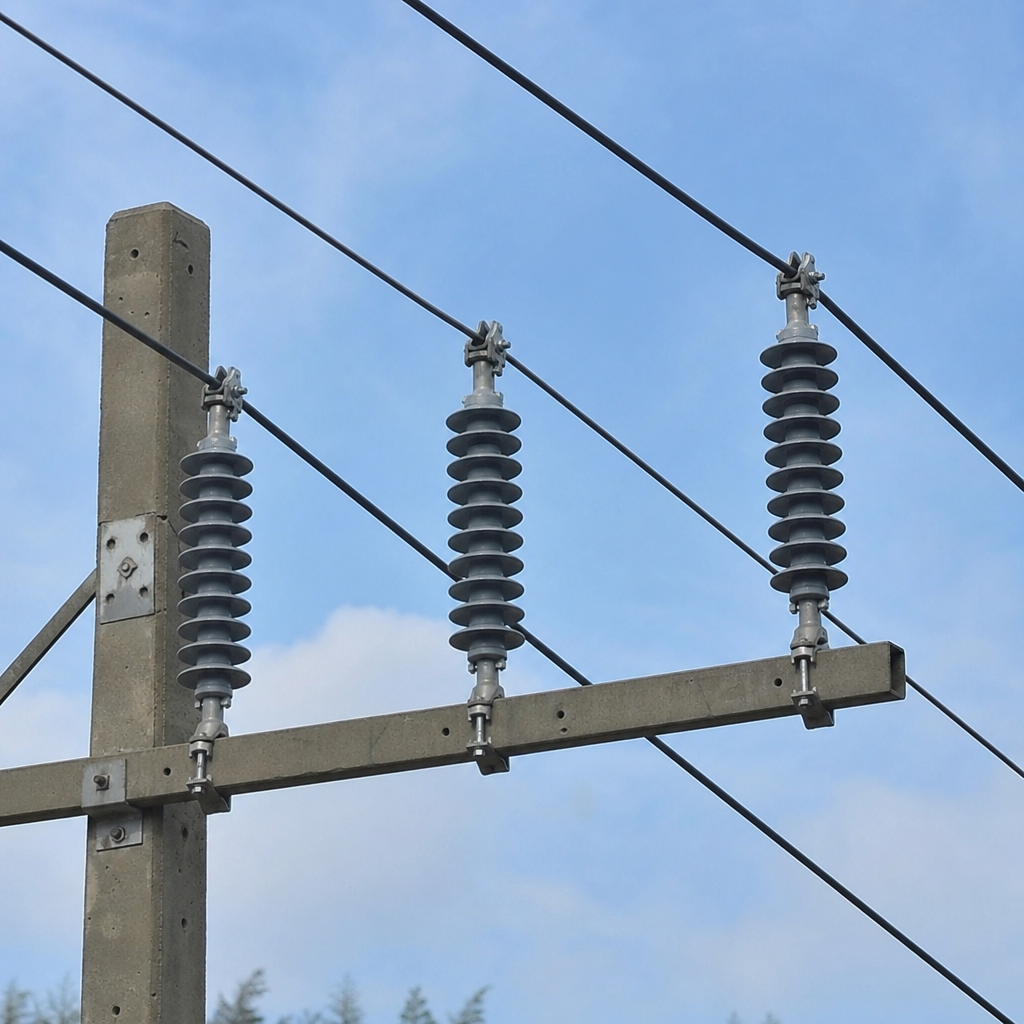
Compare manufacturers and distributors by buying priority
Different buyers value different things. A utility procurement team cares about compliance documents and long-term reliability. A contractor cares about delivery timing, packaging accuracy, and fast communication. A wholesaler cares about stable supply, product range, and repeatable margins.
| Buying priority | Direct manufacturer | Distributor / trading supplier |
| Technical control | Closer alignment on voltage rating, creepage distance, end fittings, silicone rubber housing, core, and packaging | Faster access to standard models; customization depends on the factory behind the order |
| Quality visibility | Can explain production steps, inspection procedures, and batch-level checks directly | Can still supply good products, but ask how factory qualification and pre-shipment inspection are handled |
| Order flexibility | Better for planned wholesale volumes and recurring SKUs | Easier for small or mixed-category orders |
| Communication | Direct factory contact reduces confusion when specifications are detailed | One contact simplifies sourcing if you prefer not to manage multiple producers |
| Long-term value | Supports repeatability across many installations | Convenience and less administrative work |
The lowest first quote is not the best value if it leads to unclear documents, delayed shipment, or inconsistent batches.
Which option lowers procurement risk?
The lower-risk option is the supplier that proves it understands your specification before production begins.
- For technically demanding or regulated projects, that usually favors a manufacturer with clear documentation, defined quality controls, and responsive engineering support.
- For routine replacement stock or small mixed orders, a reputable distributor with verified sources may be enough.
Risk appears in the details: product drawings that do not match the requested fittings, packaging unsuited to long-distance transport, incomplete test documents, or lead times quoted too optimistically. A serious polymer insulator supplier helps you spot these problems early instead of waiting until the goods are ready to ship.
Before confirming an order, ask for:
- Product drawings or technical sheets for the exact model quoted
- Material and construction details relevant to the application
- Applicable testing or inspection documentation, where required
- Written confirmation of voltage class, creepage distance, mechanical load, and fitting type
- Packaging method, carton or pallet details, and labeling options
- Production lead time, shipping terms, and who handles export documents
- A clear process for nonconforming goods or shipment discrepancies
If a supplier avoids basic technical questions, changes details without explanation, or cannot confirm who controls production, treat that as a warning sign.
Compare cost beyond the unit price
Price matters in wholesale procurement, but the real cost is getting the right product to the right site in usable condition. A low quote becomes expensive when it causes rework, replacement, extra inspection, delayed installation, or emergency air freight. Compare commercial value through:
- Specification accuracy — paying less for the wrong fitting, rating, or dimensions is not a saving.
- Batch consistency — repeat orders should match approved samples or agreed documentation.
- Packaging durability — export packaging affects damage rates, storage, and site handling.
- Lead-time reliability — delayed insulators hold up line construction, maintenance, and resale commitments.
- After-sales response — a supplier who resolves issues quickly protects your schedule and reputation.
- Scalability — a partner who can support larger future orders may be worth more than a one-time low-cost source.
For buyers comparing a wholesale polymer insulator manufacturer with a distributor, the better question is not “Who is cheapest today?” but “Who gives us the lowest risk and best repeatability for this purchasing pattern?”
Signs of a dependable polymer insulator supplier
A dependable supplier makes the buying process clearer. They ask about application, standards, drawings, quantities, packaging, and delivery expectations before pushing a quote, and they help you avoid mismatches between catalog descriptions and actual project requirements.
Good signals to look for:
- Clear product categories for suspension, pin, post, line post, or station applications, where relevant
- Willingness to confirm technical specifications in writing
- Consistent communication from inquiry through shipment
- Ability to support wholesale quantities without vague production promises
- Transparent sample, inspection, and approval processes
- Export experience if the order crosses borders
- Realistic lead-time discussion instead of automatic urgency claims
Watch for red flags as well: unclear product origin, missing drawings, reluctance to document agreed details, unusually broad claims without support, and pressure to pay before specifications are settled.
Decision summary
Choose a direct manufacturer when you need technical control, recurring wholesale supply, customization, private labeling, or stronger production visibility. Choose a distributor or sourcing supplier when your order is smaller, mixed, urgent, or better served by consolidated purchasing.
In either case, judge the supplier by documentation, communication, quality process, delivery reliability, and how well they understand your actual application. Shortlist suppliers, compare them against the same criteria, request written confirmation of the important details, and avoid deciding on unit price alone. A careful comparison now protects your project timeline, product performance, and long-term procurement value.