
High voltage electrical insulators help keep energized conductors separated from structures, equipment, people, and the surrounding environment. This page presents a practical, specification-ready range of high voltage insulators for power transmission, distribution, substations, industrial systems, and specialized high voltage equipment. Choose the right insulator materials, configuration, and performance profile for safer operation, longer service life, and cleaner system design.
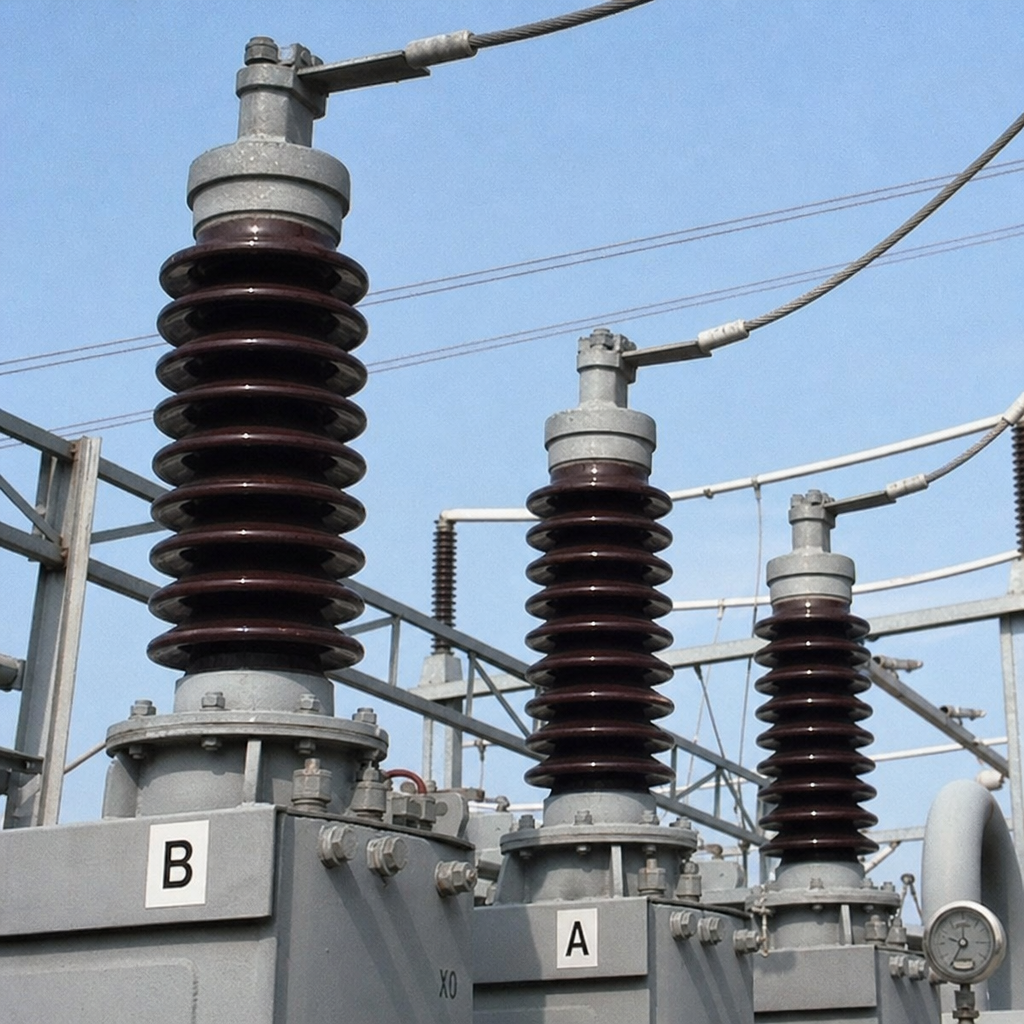
High voltage electrical insulators installed on outdoor power equipment
Engineered insulation for demanding electrical systems
High voltage electrical insulators do more than “hold wires.” They support energized components mechanically while resisting electrical stress, contamination, weather exposure, vibration, heat, and aging. In a well-designed system, insulation technology reduces the risk of flashover, leakage current, tracking, and unplanned downtime.
Our product range is intended for engineers, procurement teams, utilities, OEMs, panel builders, contractors, and maintenance teams that need dependable high voltage insulators matched to real operating conditions. Whether you are replacing existing components or specifying insulation for a new system, the goal is the same: fit the insulator to the voltage class, environment, mechanical load, installation style, and safety requirements.
Which high voltage electrical insulator is right for your application?
The right high voltage electrical insulator depends on where it will be installed, what it must support, what electrical stress it will face, and how harsh the environment is. Outdoor transmission hardware, indoor switchgear, substation bus supports, bushings, and industrial high voltage equipment all create different demands. A good selection process starts with application details, then narrows the choice by insulator type, material, mounting arrangement, creepage requirements, and mechanical strength.
Common selection factors include:
- Voltage level and system design: Match the insulator to the required operating voltage, impulse withstand expectations, and clearance needs.
- Indoor or outdoor exposure: Outdoor units may need stronger weather, UV, moisture, and pollution resistance.
- Mechanical loading: Consider conductor weight, wind, vibration, equipment movement, short-circuit forces, and installation orientation.
- Contamination risk: Coastal, industrial, dusty, or high-humidity locations often require careful creepage and surface performance planning.
- Maintenance approach: Some installations prioritize easy visual inspection, cleaning access, or replacement speed.
- Connection style: End fittings, mounting holes, threaded inserts, flanges, and hardware compatibility can decide what works in the field.
If your team is unsure which product family fits best, provide drawings, site conditions, operating voltage, and equipment layout. A quote or product recommendation can then focus on practical compatibility rather than guesswork.
Product options across major electrical insulator types
Different electrical insulator types solve different problems. A compact indoor support insulator is not the same product as an outdoor suspension insulator, and a bushing is designed for a different role than a line post. Choosing by function first helps prevent overbuying, under-specifying, or forcing a component into the wrong position.
Available or commonly specified product categories include:
- Pin insulators: Used to support conductors on distribution structures where the conductor sits above the insulator body.
- Post insulators: Used for rigid support in substations, switchgear, busbar systems, and other high voltage equipment.
- Suspension insulators: Used where conductors need to hang from towers or structures while maintaining electrical separation.
- Strain insulators: Used where conductors experience tension, such as dead-end locations or angle points.
- Bushing insulators: Used where an energized conductor passes through grounded barriers, transformer walls, switchgear enclosures, or panels.
- Spool and shackle-style insulators: Used in selected distribution and utility support applications where compact mechanical support is needed.
Each type can be adapted through material choice, geometry, hardware, and installation design. For example, a substation upgrade may call for post insulators with specific mounting compatibility, while an outdoor line project may require a form that sheds water and contamination more effectively.
Materials matched to performance and environment
Insulator materials influence electrical performance, durability, weight, maintenance, and cost. No single material is best for every installation. The strongest choice is the one that balances electrical stress, mechanical duty, exposure, and lifecycle expectations.
Common material choices include:
- Porcelain: A long-established ceramic option valued for rigidity, dimensional stability, and proven use in utility environments.
- Glass: Often used in overhead line applications where visual inspection of damage can be useful.
- Polymer and composite materials: Lightweight options that can offer strong hydrophobic surface behavior and easier handling in many installations.
- Epoxy and resin systems: Frequently used in indoor supports, switchgear, busbar supports, and molded insulation components.
- Silicone rubber housings: Commonly used in composite designs where weathering, surface performance, and contamination resistance are important.
Material selection should not be treated as a shortcut for engineering review. For example, a polymer insulator may reduce handling weight, while porcelain may fit an established specification. Epoxy may suit controlled indoor equipment, while outdoor exposure could require a different housing or surface profile.
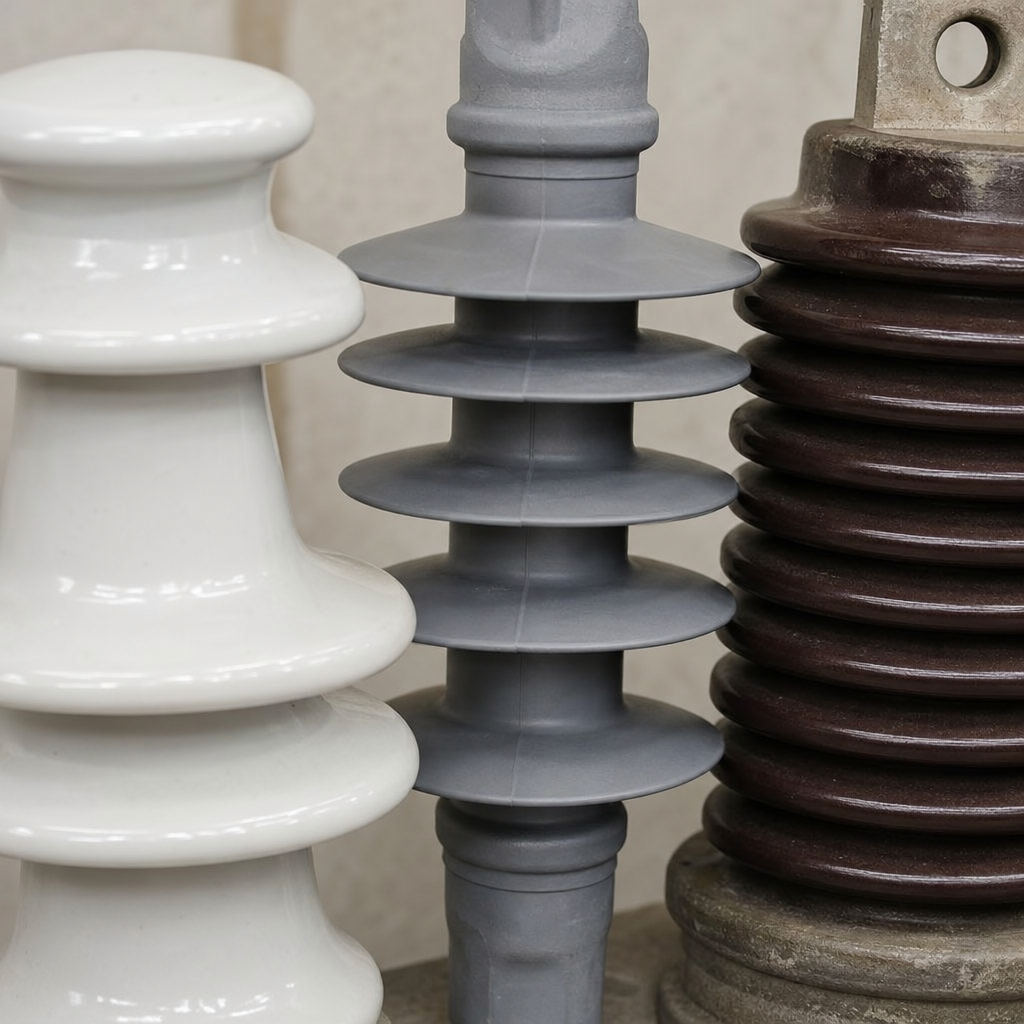
Built for high voltage safety and reliable operation
High voltage safety depends on system design, installation quality, inspection, and component selection. Insulators are passive parts, but their role is active in every energized moment. They must maintain separation, support loads, resist surface degradation, and keep performance stable under normal and abnormal conditions.
Key product benefits include:
- Electrical separation: Helps maintain safe insulation distances between energized and grounded parts.
- Mechanical support: Holds conductors, busbars, or equipment terminals in the intended position.
- Environmental resistance: Supports outdoor and industrial reliability when the correct material and profile are selected.
- System compatibility: Available in different forms for transmission, distribution, substations, switchgear, and OEM assemblies.
- Service planning: Clear product selection helps simplify inspection, replacement, and spare-part management.
- Design flexibility: Multiple electrical insulator types allow engineers to choose by function rather than forcing one solution everywhere.
For safety-critical applications, insulators should be selected as part of the full electrical design. That includes clearances, grounding, protection settings, enclosure design, installation practices, and applicable standards for the project.
Configurable specifications without unnecessary complexity
Because high voltage projects vary widely, specifications are typically confirmed by application rather than assumed from a one-size product listing. This avoids mismatches between catalog descriptions and field conditions.
Specification details to confirm before ordering include:
- Application type: Transmission line, distribution network, substation, switchgear, transformer, industrial equipment, test system, or OEM assembly.
- Rated voltage and insulation requirements: Include operating voltage, required withstand performance, and any project-specific standard.
- Installation environment: Indoor, outdoor, coastal, desert, polluted, humid, cold, hot, or chemically exposed.
- Mechanical requirements: Cantilever, tensile, compression, torsion, or combined loading conditions.
- Mounting details: Hole pattern, thread size, flange style, end fitting, hardware material, and space constraints.
- Material preference: Porcelain, glass, polymer, composite, epoxy, silicone rubber, or project-approved alternatives.
- Quantity and schedule: Prototype, replacement, maintenance stock, project lot, or recurring production need.
This approach helps your team receive relevant pricing and lead-time information without sorting through unsuitable parts. If drawings or photos of the existing installation are available, include them with your request.
Pricing and ordering
Pricing for high voltage insulators depends on type, material, voltage class, mechanical rating, hardware, certification needs, order quantity, and customization. Standard products may be available more quickly, while project-specific components may require specification review before quotation. Instead of publishing generic pricing that may not match your application, ordering is handled through request-based quotation.
To get started, send your application details, preferred electrical insulator types, drawings if available, quantity, and target delivery needs. The response can then identify suitable product options, note any missing technical information, and provide pricing based on the actual requirement.
A practical path from selection to installation
The best insulator choice is not always the most expensive or the most familiar. It is the product that fits the electrical duty, physical layout, site conditions, and maintenance reality of the equipment it protects. With the right insulation technology and material selection, your system can be easier to build, safer to operate, and simpler to maintain.
Request a quote or technical review for high voltage electrical insulators suited to your equipment. Share the voltage level, environment, mounting details, material preference, and quantity, and receive product guidance built around your application rather than a generic catalog choice.