
Introduction: why electric pole glass insulators still matter
Insulators are a deceptively simple but essential component of any energized line or fencing system. Whether you are protecting livestock with an electric fence or routing power across rural poles, the insulator’s job is the same: keep the live conductor electrically isolated from the supporting structure so current flows where it should—through the circuit—and not into posts, poles, or the ground. For many applications, electric pole glass insulators remain an economical and technically sound choice because of their stable dielectric properties, abrasion-resistant surface, and decades-long field history.
This guide explains what makes glass insulators useful for electric fences and overhead lines, how to select, install, and maintain them, and where they compare with alternative materials.
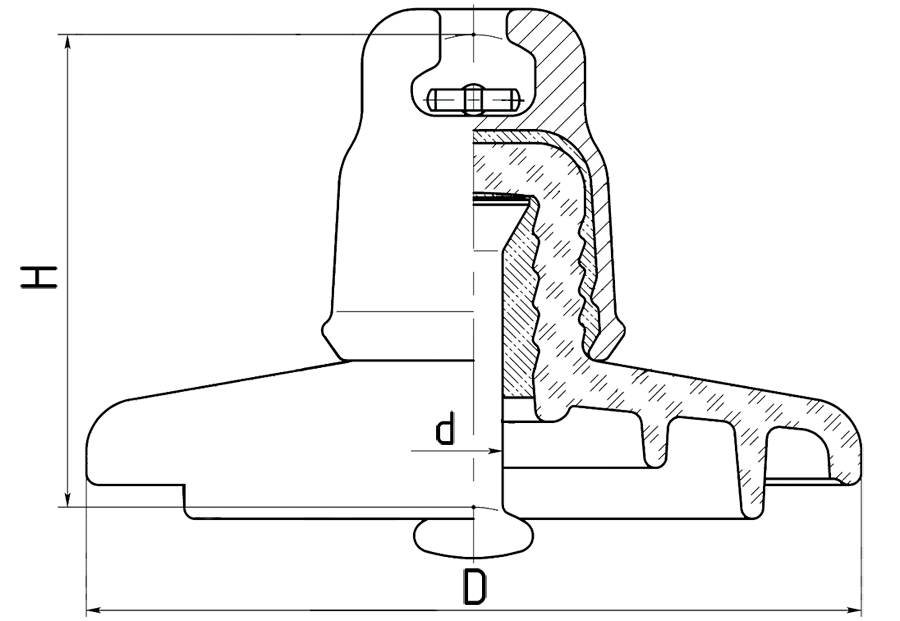
What is an electric pole glass insulator?
Definition and typical use-cases
An electric pole glass insulator is a formed glass body designed to support and separate an energized conductor from a pole or a post. Classic use-cases include:
- Overhead distribution and telegraph/telephone lines (pin, suspension, or strain insulators),
- Electric fence systems (insulator clips, posts, and nail-on types),
- Specialty low-voltage outdoor wiring where visual inspection and durability matter.
Electric fence variants are typically small, robust, and shaped to keep polywire, steel wire, or tape away from wooden, metal, or fiberglass posts while minimizing leakage or arcing.
Why choose glass: core advantages
Stable dielectric behaviour and longevity
Glass has been used as an insulating material since the mid-19th century because it is an excellent electrical insulator: it resists current flow, maintains a high surface resistivity, and does not degrade under UV radiation the way some polymers can. For applications where long service life and predictable ageing are important, glass is a strong candidate.
Smooth surface and pollution resistance
A smooth, non-porous glass surface discourages build-up of conductive films from dust, salts, or industrial pollution. For electric fences that run near roadways, farms, or coastal areas, the shedding properties of glass help keep leakage currents low and reduce the likelihood of nuisance trips.
Mechanical robustness and visible failure mode
Tempered or toughened glass insulators exhibit strength under tension and compressive loads, depending on design. When they fail from impact, glass typically fractures in a visible way, making damaged units easy to detect during visual inspections. That predictability is an operational advantage for maintenance crews.
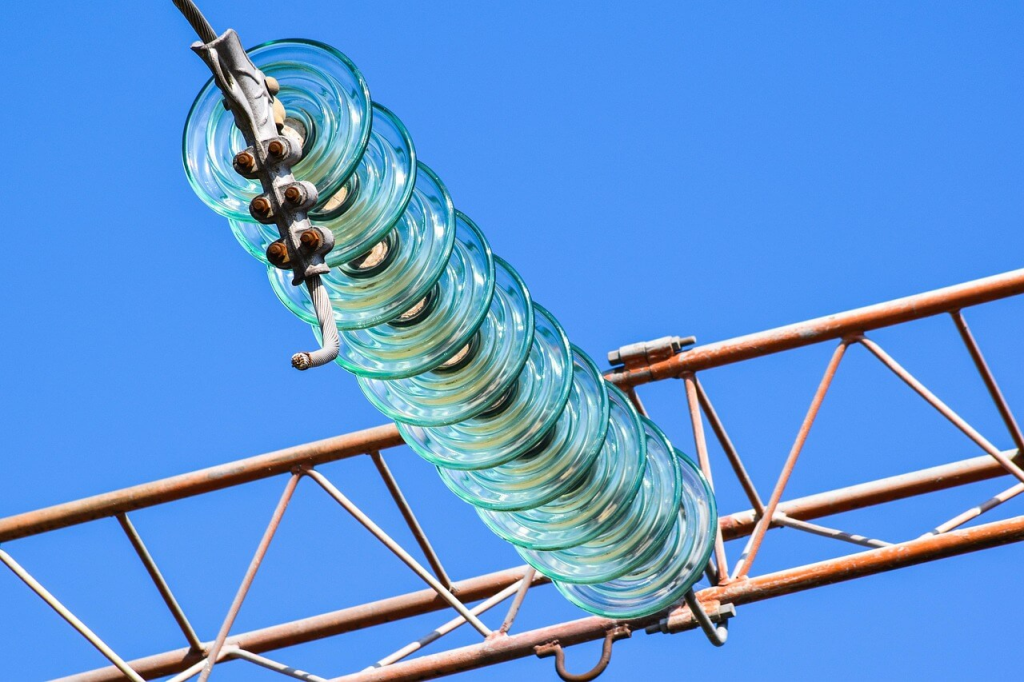
Electric fence glass insulators: varieties and mounting styles
Common shapes and mounting types
Electric fence insulators made of glass come in a handful of familiar shapes:
- Post-top cup or crown — fits over fence posts and holds single wires or tape.
- Screw-in or nail-on — small glass heads mounted directly to wooden posts for low-cost lines.
- Pin and spool types — used historically on telegraph and power lines; scaled-down forms may be used where a stronger mechanical fix is needed.
- Clip and bracket designs — glass bodies combined with metal clips to hold modern polywire or tape.
Choosing the correct shape depends on conductor type, post material, and whether you require quick replacement or higher mechanical retention.
Materials pairing and compatibility
Glass insulators can be mounted to wood, metal, concrete, or composite posts. When pairing glass with metal mounting hardware, ensure you have the proper gaskets or crimping practices to avoid stress concentrations that lead to breakage. For electric fences that use lightweight conductors (polywire, braided wire, tape), low-profile glass insulators provide both mechanical support and the necessary electrical isolation.
Installation best practices
Positioning and clearance
Insulator placement should prevent the conductor from contacting the post or any grounded objects under normal sag and wind conditions. For fences, that means mounting at a height and offset that keeps the energized wire away from crossarms or gate hardware. For pole-mounted lines, follow recommended clearances for the voltage class in use.
Handling and transport
Although glass is durable for in-service loads, it can be brittle under point impact or during improper handling. Avoid subjecting insulators to hammer blows, and store them in padded crates during transport. Pre-drill or pre-fit fasteners per the manufacturer’s guidance to minimize installation stress.
Fastening and torque
For screw-in or bolt-on versions, tighten to the recommended torque to prevent micro-cracks from excessive compression. Use stainless or galvanized fasteners where corrosion is a concern; a small insulating washer can reduce mechanical stress on the glass seat.
Performance under environmental stress
Wetting, contamination, and flashover
All insulators are susceptible to surface leakage when fouled by conductive contaminants. The glass advantage is its relatively low tendency to hold onto salts and particulates; periodic rainfall often flushes away deposits better on smooth glass than on porous ceramics or textured polymers. For high-pollution zones consider periodic cleaning or protective overhang profiles.
Temperature and UV exposure
Glass is inherently resistant to UV and thermal cycling compared with many polymers. It will not degrade under sunlight the way some plastics can, and it maintains dimensional stability over broad temperature ranges—useful for long stretches of outdoor fence or line.
Are glass insulators right for every fence or line?
Matching application to material
Glass performs extremely well where visual inspection, UV stability, and surface cleanliness are priorities. However, it is heavier and can be more brittle to impact than modern composites. For portable or farm fences that are relocated frequently, lightweight polymer insulators may offer practical advantages. If your system is permanent or semi-permanent and you prefer a low-maintenance solution, electric pole glass insulators should be on the shortlist.
Answering the odd question: “glass an insulator?”
A frequent simple question from new buyers is: is glass an insulator? — in short, yes. Glass is an effective electrical insulator in bulk form and has been used historically and continuously for line-insulation purposes. The phrasing glass an insulator is a somewhat clipped version of that question, but it reflects the core fact: glass inhibits conductive current flow and is therefore useful where separation of conductor and support is required.
Glass insulators electric lines: historical perspective and continued relevance
From telegraph to modern utilities
Glass insulators were among the first insulators used on telegraph and telephone networks in the 1800s and later on low-tension power lines. While materials science has expanded options to include porcelain and polymeric insulators, glass remains relevant for specific niches—especially where collectors appreciate vintage hardware, and where utilities value a long life and visible failure behaviour.
Practical tips: selection, procurement, and lifecycle
Choosing the correct specification
When specifying glass insulators used for electric fences or line supports, include:
- Conductor type and expected mechanical loads,
- Mounting style and post material,
- Environmental exposure (pollution, salt spray, UV),
- Replacement and inspection plans.
These details ensure you order the correct cap, pin, or clip design and avoid mismatch problems in the field.
Inventory and spare strategy
Maintain a small stock of common sizes and mounting types at each yard—glass failures tend to be local and straightforward to replace, and quick swaps minimize downtime.
Safety and maintenance checklist
Routine checks
- Visually inspect for chips, cracks, or full fractures.
- Confirm conductors are seated correctly and not abrading mount points.
- Clean heavily polluted insulators with recommended, non-abrasive methods.
- Replace any glass element with visible damage immediately.
When to prefer replacement over repair
Glass cannot be “repaired” in the field; chips or fractures indicate compromised dielectric strength and require replacement. For portable fences, consider swapping to polymer insulator options if damage frequency is high.
External resources and further reading
For practical suppliers and installation guides for fencing insulators, see consumer-facing guides that describe types, mounting, and typical use (helpful for farm and ranch applications). For technical background on insulator properties and history, authoritative encyclopedia entries and collector sites provide context.
Conclusion
Electric pole glass insulators provide a durable, low-maintenance, and historically proven solution for both electric fences and many overhead line applications. They offer stable electrical insulation, solid resistance to UV and weathering, and the operational benefit of a visible failure mode that simplifies inspection and replacement. When you evaluate insulator options for a new installation or an upgrade, include glass on your shortlist—especially for permanent fences, coastal installations, and situations where longevity and clear visual diagnostics matter.